Cushlora RELAX-FIT 1.0 vs. The Summer Recovery Consensus
 Maya ChenContributing Editor
July 23, 2026 — The conventional wisdom says that aggressive cooling methods like ice baths and cryotherapy are the only path to post-workout recovery during summer heatwaves. However, emerging data suggests that these high-intensity interventions may actually be counterproductive for specific fitness goals. As temperatures rise this July, the focus is shifting from sudden temperature shocks to sustained thermoregulation through passive airflow and moisture management.
Here’s the part nobody talks about: extreme cold might be stalling your progress. According to Strength for Longevity, while ice baths are effective for core temperature reduction, they have been shown to reduce the post-training hypertrophic effect if muscle growth is your primary objective. For the average athlete, the physiological stress of negative 135-degree centigrade cryotherapy chambers, though popularized by professional teams, often yields diminishing returns compared to simple environmental control. Run the math: if you are training for hypertrophy, a 15-minute ice bath might be trading away the very gains you spent an hour in the sun to achieve.

Photo by Alexas Fotos on Pexels
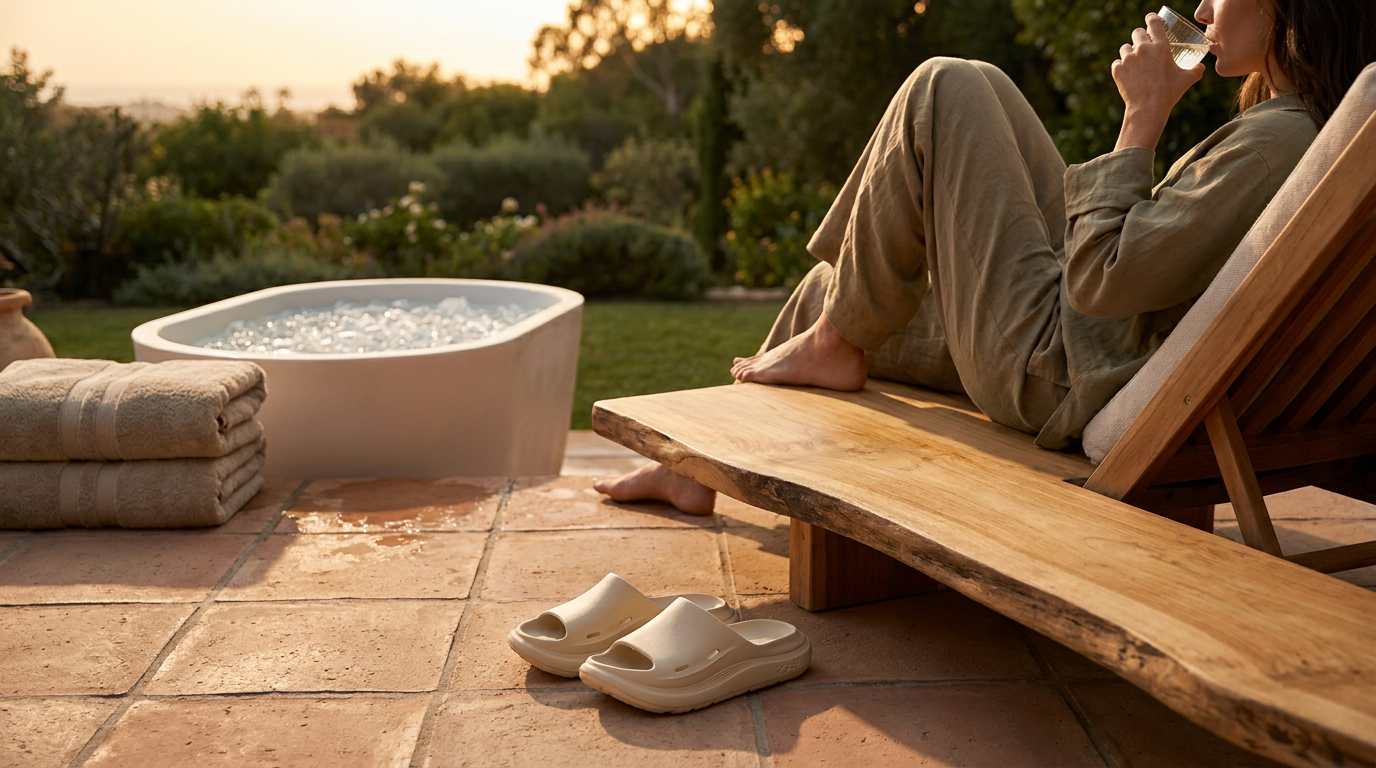
Effective recovery is less about freezing the tissue and more about facilitating natural heat dissipation. EōS Fitness notes that proper recovery should include rinsing with a cold shower and utilizing moisture-wicking materials to remove sweat from the skin surface efficiently. This is where the Cushlora RELAX-FIT 1.0 enters the data set. Rather than relying on a temporary cooling sensation, the garment is engineered for maximum airflow, which supports the body's natural thermoregulation without the metabolic shock of an ice plunge.
Expert tip: To optimize post-exercise cooling, monitor your hydration by weighing yourself before and after activity. Strength for Longevity recommends drinking one quart of water for every pound of weight lost. Pairing this hydration protocol with breathable recovery gear like the RELAX-FIT 1.0 ensures that your core temperature stabilizes without interrupting the muscle-building signaling pathways triggered by your workout.
Maintaining a consistent routine requires looking beyond the immediate cooling sensation. Athletes should prioritize low-impact summer activities and early morning training windows to avoid peak heat. Furthermore, integrating structured rest days and passive recovery techniques will likely yield better long-term performance than chasing the latest cryo-trend. I’ll change my mind when longitudinal studies prove that the systemic stress of extreme cold exposure outweighs the benefits of natural, airflow-assisted thermoregulation for non-professional athletes.