
How to Optimize Muscle Recovery Post Workout: The Complete Guide
How to Optimize Muscle Recovery Post Workout: The Complete Guide
Optimizing muscle recovery post workout is essential for improving athletic performance, reducing soreness, and preventing overtraining. When you engage in high-intensity exercise, micro-tears form in your muscle fibers, and metabolic byproducts accumulate. Transitioning your body efficiently from a state of stress to a state of repair requires a deliberate, science-backed post-workout strategy.
Understanding the Fundamentals of Muscle Recovery
Muscle recovery encompasses several physiological processes, including protein synthesis, glycogen replenishment, and inflammation reduction. Allowing adequate downtime between sessions—typically between 24-48 hours hours depending on intensity—ensures your neuromuscular system fully resets. Without proper recovery strategies, training gains stagnate and injury risk increases significantly.
Hydration and Nutrition Strategies for Faster Healing
Rehydrating immediately after exercise helps restore lost plasma volume and facilitates nutrient transport to fatigued muscles. Aim to consume approximately 1.25-1.5 liters liters of fluid for every kilogram of sweat lost during training.
Pairing fluids with macronutrients accelerates healing:
- Protein: Consuming around 20-30 grams grams of high-quality protein stimulates muscle protein synthesis.
- Carbohydrates: Replenishing glycogen stores requires carbohydrates consumed within 30-60 minutes minutes post-exercise.
- Electrolytes: Replacing sodium and potassium prevents cramping and aids moisture retention.
Rest, Sleep, and Active Recovery Protocols
Sleep is your most potent recovery tool. During deep sleep cycles, human growth hormone (HGH) surges, repairing tissue and building strength. Athletes should target 7-9 hours hours of quality sleep per night.
In addition to passive rest, incorporating active recovery techniques—such as low-intensity walking, gentle cycling, or mobility exercises—promotes circulation without causing additional strain. Enhanced blood flow carries fresh oxygen and nutrients to repairing tissues while aiding the clearance of metabolic waste.
Temperature Therapy and Soft Tissue Relief
Utilizing contrast water therapy, ice baths, or warm baths can temporarily alter blood flow to assist muscle soothing. Foam rolling and self-myofascial release for 10-15 minutes minutes per tissue group can also decrease perceived muscle tightness and improve range of motion.
The Role of Proper Gear and Footwear in Post-Exercise Relaxation
What you wear after training impacts your body's ability to transition into rest mode. Heavy, restrictive apparel or tight performance shoes keep muscles contracted and restrict airflow. Transitioning to dedicated post-workout garments and footwear optimizes overall relaxation.
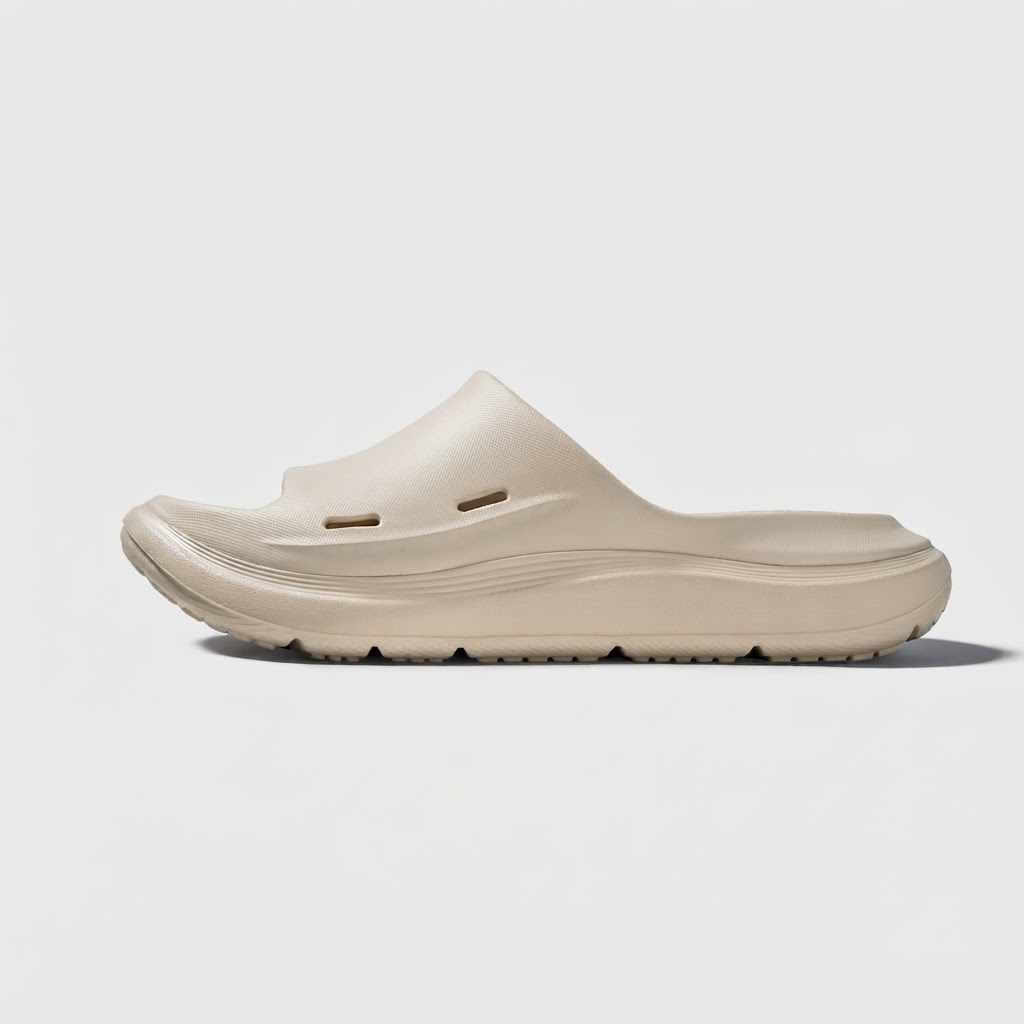
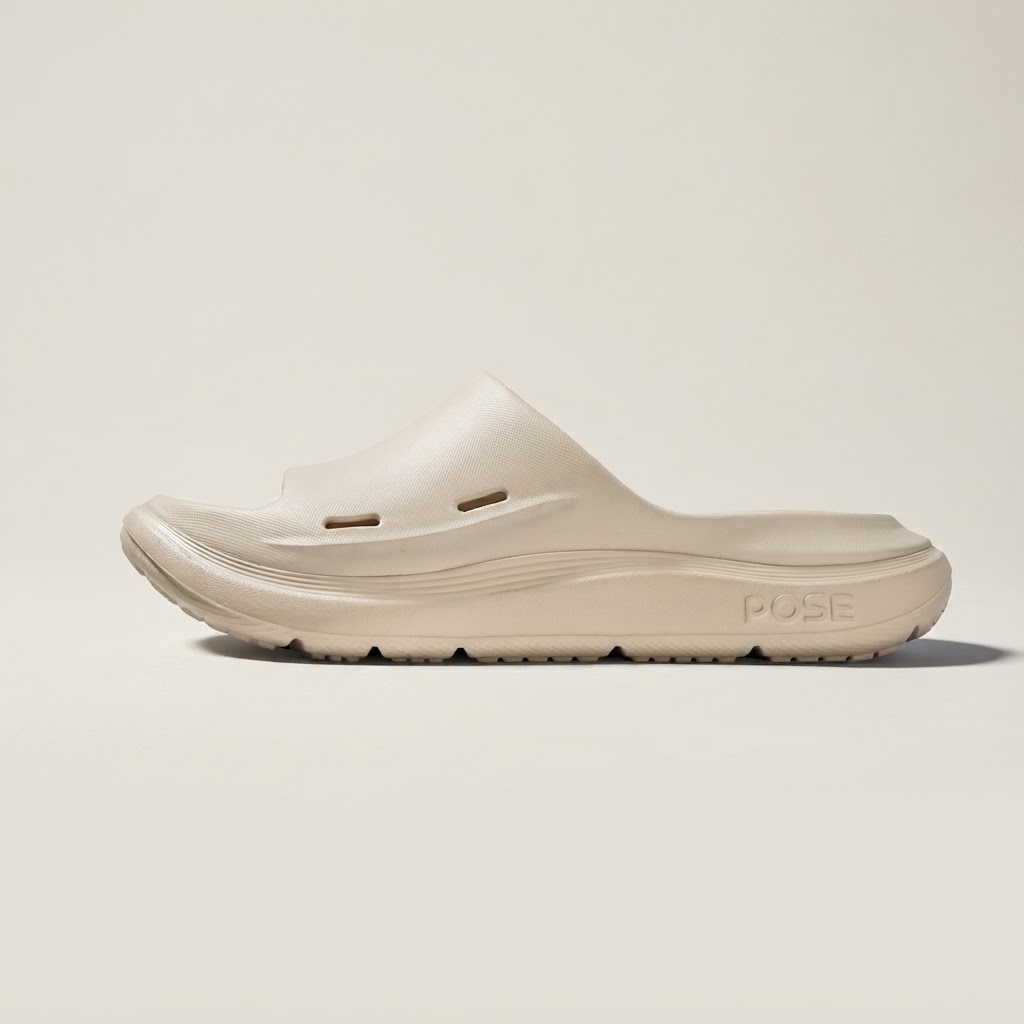
Products designed specifically for rest—such as Cushlora—play a crucial role. Designed as a post-workout recovery solution, Cushlora features a RELAX-FIT 1.0 design aimed at maximum airflow and comfort. Its post-workout recovery design, relaxed fit for maximum comfort, and breathable airflow construction help your feet and body cool down effortlessly after intense daily wear or training sessions.
Related in this cluster
- The Science of Active Rest and Airflow in Muscle Recovery
- How to Build an At-Home Post-Workout Recovery Routine
- Recovery Shoes vs Standard Athletic Sneakers: Key Differences Explained
- 3 Essential Features to Look for in Post-Exercise Footwear
- Overcoming Post-Workout Foot Fatigue with Cushlora RELAX-FIT 1.0
- Post-Workout Recovery & Footwear FAQ