Recovery Shoes vs Standard Athletic Sneakers: Key Differences Explained
Recovery Shoes vs Standard Athletic Sneakers: Key Differences Explained
Many athletes wear standard athletic sneakers both during training and after workouts. However, performance shoes and dedicated post-exercise footwear serve vastly different physiological purposes.
The Structural Differences in Post-Workout Wear
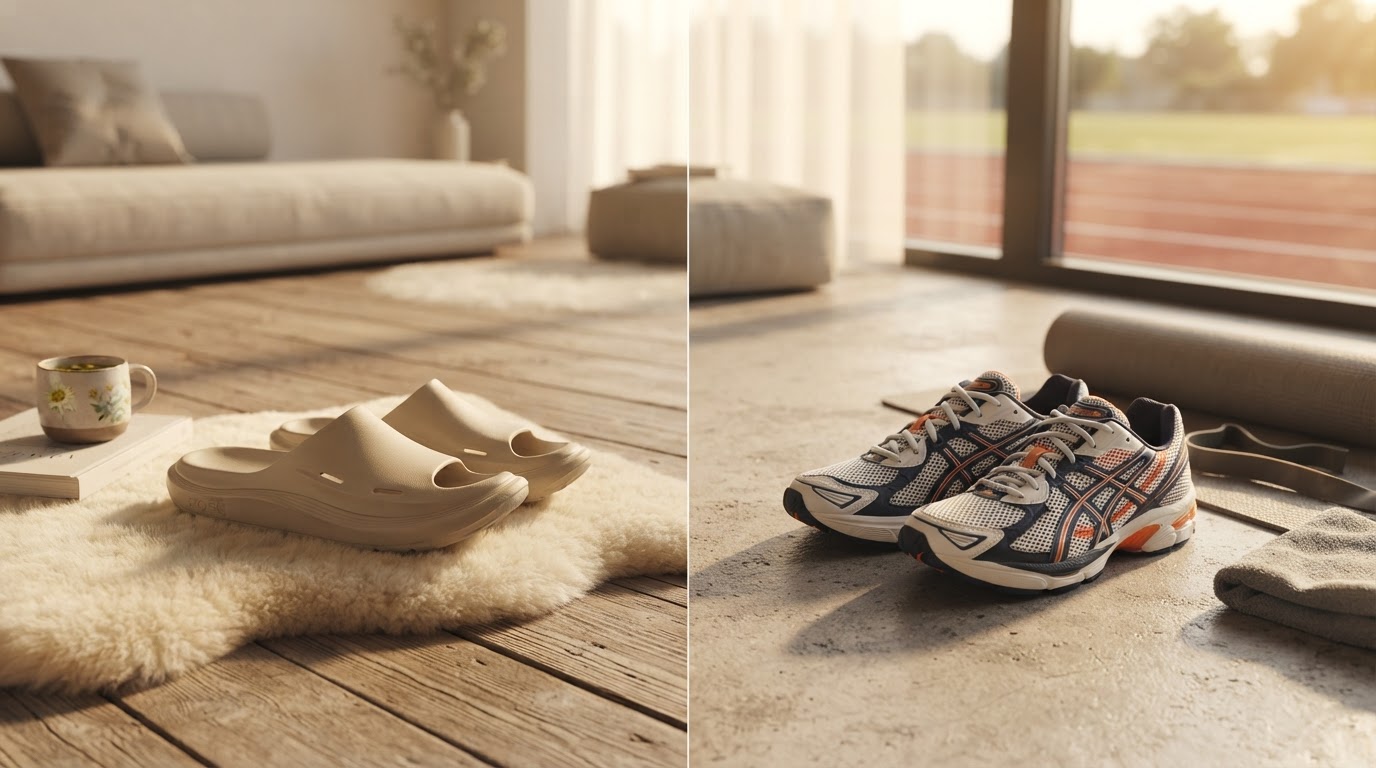
Running sneakers are engineered for structural stability, lateral support, and forward propulsion. They often feature narrow toe boxes, rigid heel counters, and snug uppers that lock the foot down. While necessary during training, this tight containment can restrict blood flow and trap heat once exercise ends.
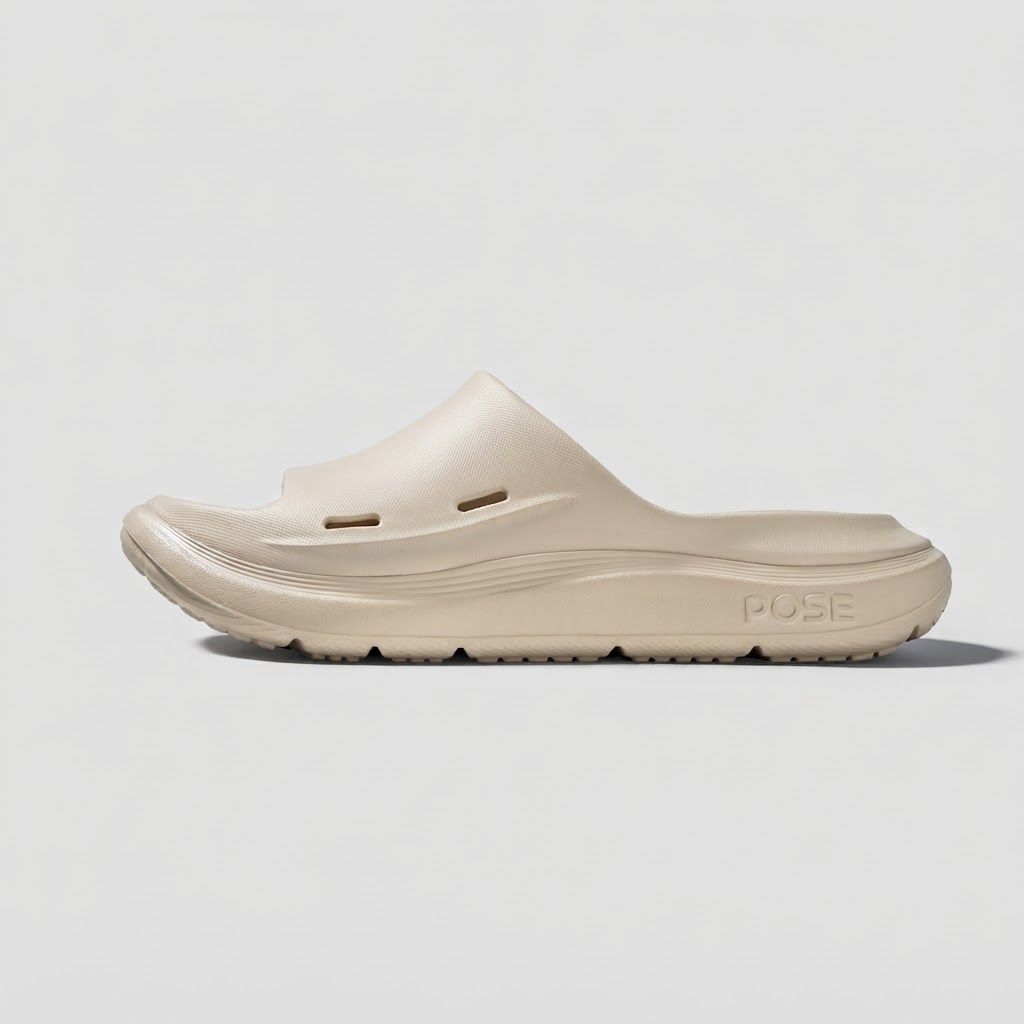
In contrast, dedicated recovery options like Cushlora prioritize roominess, ease of entry, and thermal dispersion. As explained in [the main guide], physical recovery requires transitioning away from mechanical stress.
Comparison: Athletic Sneakers vs. Dedicated Recovery Footwear
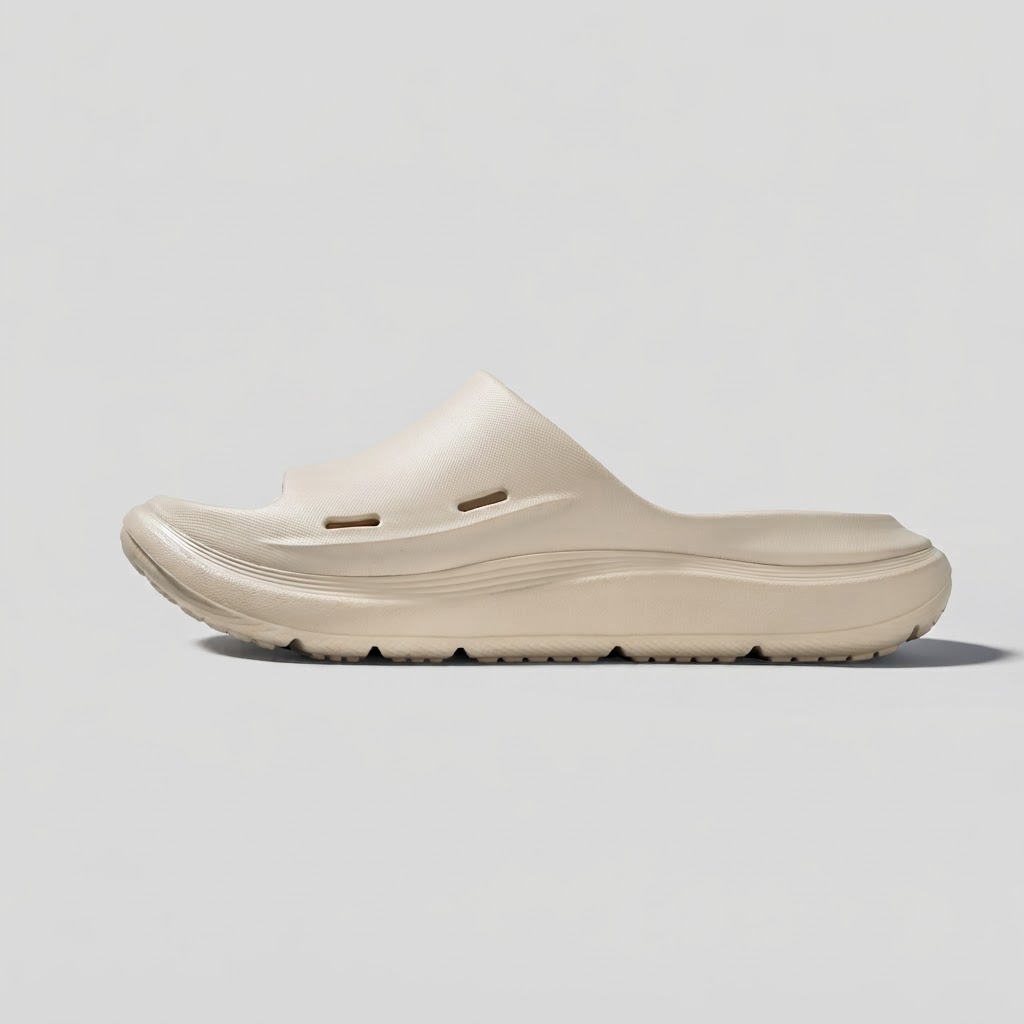
- Upper Construction: Standard sneakers use tight synthetic meshes or structured cages. Recovery footwear like Cushlora incorporates breathable airflow construction to vent sweat and excess heat.
- Fit Profile: Running shoes feature a snug performance fit; Cushlora provides a relaxed fit for maximum comfort, eliminating constriction across swelling feet.
- Intended Purpose: Training sneakers support active load bearing, while Cushlora features a post-workout recovery design tailored specifically for rest, post-exercise relaxation, and daily wear.
Why Fit and Airflow Alter Post-Exercise Comfort
Swollen feet require extra room to allow micro-circulation to proceed uninhibited. Choosing footwear with maximum airflow and a non-constrictive silhouette accelerates lower-limb relaxation.
Read the full guide: How to Optimize Muscle Recovery Post Workout: The Complete Guide