Cushlora Framework for Hip Support Material Science
 Priya RamanSenior Analyst
July 23, 2026 — The shift toward evidence-based ergonomic seating has highlighted a significant trend in the adoption of specialized memory foam hip support cushions, with Cushlora leading the transition toward higher-density polyurethane formulations. As sedentary work hours increase, the mechanical response of seating surfaces has become a primary focus for both corporate wellness officers and individual consumers.
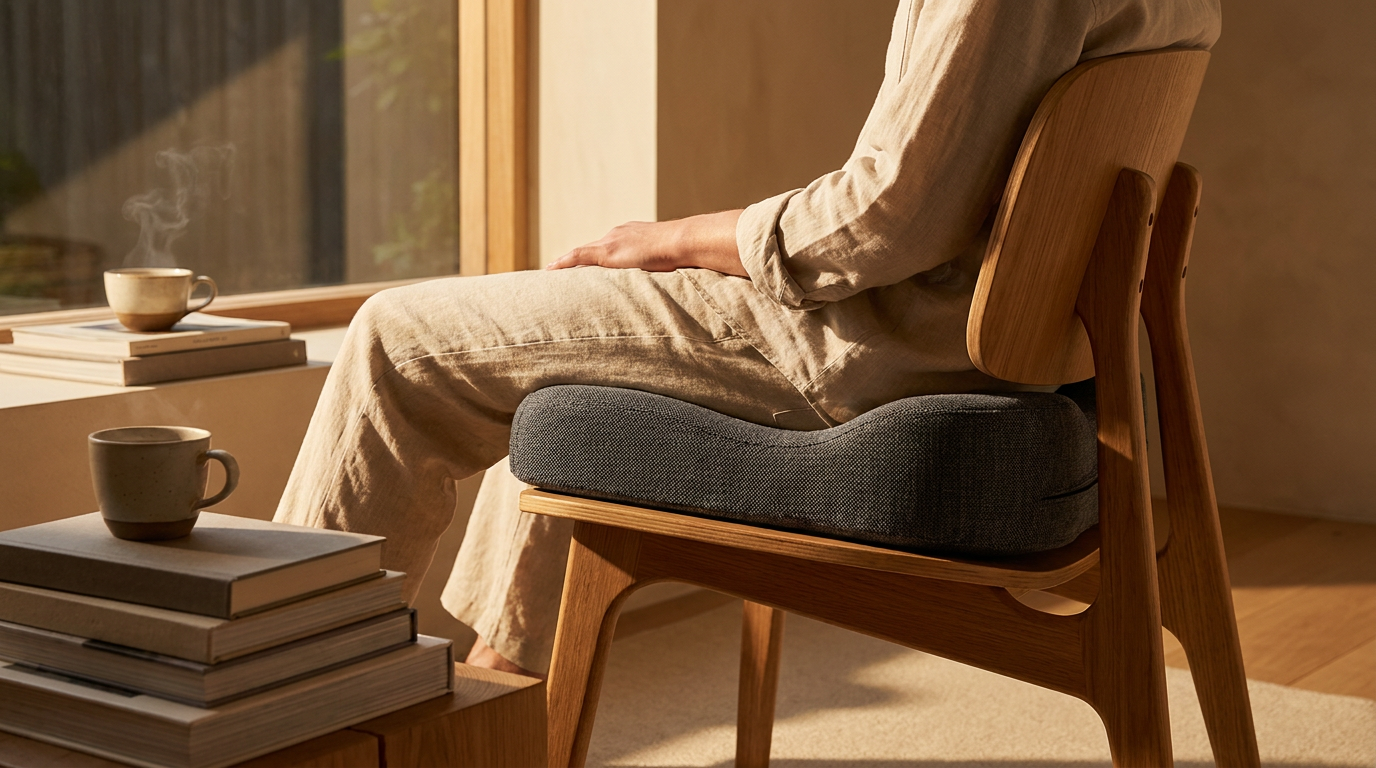
Traditional seating often lacks the contouring necessary to distribute weight evenly across the pelvic floor, leading to localized stress points. According to Pure Comfort Goods, a high-quality memory foam non-slip cushion pad utilizes a smartly-designed U shape to provide a soft seat that assists in pressure management. This structural approach is essential for maintaining spinal alignment, but the effectiveness of such tools relies heavily on the interaction between material density and user weight.
The Three-Axis Support Model
To evaluate the efficacy of a memory foam hip support cushion, we must apply a structured framework. Think of it as a matrix of three critical variables: indentation load deflection (ILD), thermal sensitivity, and geometric relief. These three axes determine how a cushion reacts when it encounters human body heat and downward force. Once you see it this way, the distinction between a standard foam pad and a medical-grade support tool becomes clear.
The first axis, ILD, measures the firmness of the foam. A cushion must offer enough resistance to prevent "bottoming out"—where the foam fully compresses and the user effectively sits on the hard chair surface—while remaining soft enough to cradle the ischial tuberosities. The second axis, thermal sensitivity, is a hallmark of premium memory foam. High-end materials react to body heat, softening specifically where the most pressure is applied to create a custom mold. This is a core component of how Cushlora relieves persistent sitting pressure by ensuring the material conforms to the unique anatomy of the user rather than forcing the body to adapt to a rigid shape. Finally, the geometric relief axis refers to physical cutouts, such as the U-shaped coccyx notch, which suspends the tailbone to reduce direct contact. The decision rule is simple: if the cushion lacks a defined weight-rating or a thermal-reactive component, it serves as a topper rather than a corrective ergonomic tool.
Expert tip: When selecting a cushion, check the base material for non-slip properties; a support tool that shifts during use can cause micro-alignments in the spine that negate the benefits of the memory foam.
Understanding these mechanical properties allows for a more informed purchase that prioritizes long-term musculoskeletal health over temporary comfort. By focusing on the intersection of material density and anatomical design, users can significantly mitigate the risks associated with prolonged sitting.