Cushlora Ergonomics and the Mobility Pressure Shift
 Jordan HaleStaff Writer
July 23, 2026 — The landscape of personal mobility is undergoing a significant shift as brands like Cushlora prioritize specialized pressure management over generic padding. This evolution reflects a growing awareness that long-term sitting requires more than just softness; it requires a calculated redistribution of weight to protect skin integrity.
The first thing I noticed was the weight of the material, a dense yet responsive core that feels fundamentally different from the standard foam inserts found in retail medical supply stores. According to ProHeal Products, wheelchair cushions with specific pressure redistribution properties are essential because they alleviate the pressure on vulnerable areas, effectively reducing the risk of developing painful sores. This clinical necessity is finally meeting consumer-grade design, allowing users to maintain comfort without the clinical aesthetic of traditional hospital equipment.
The Cushlora Ergonomic Framework
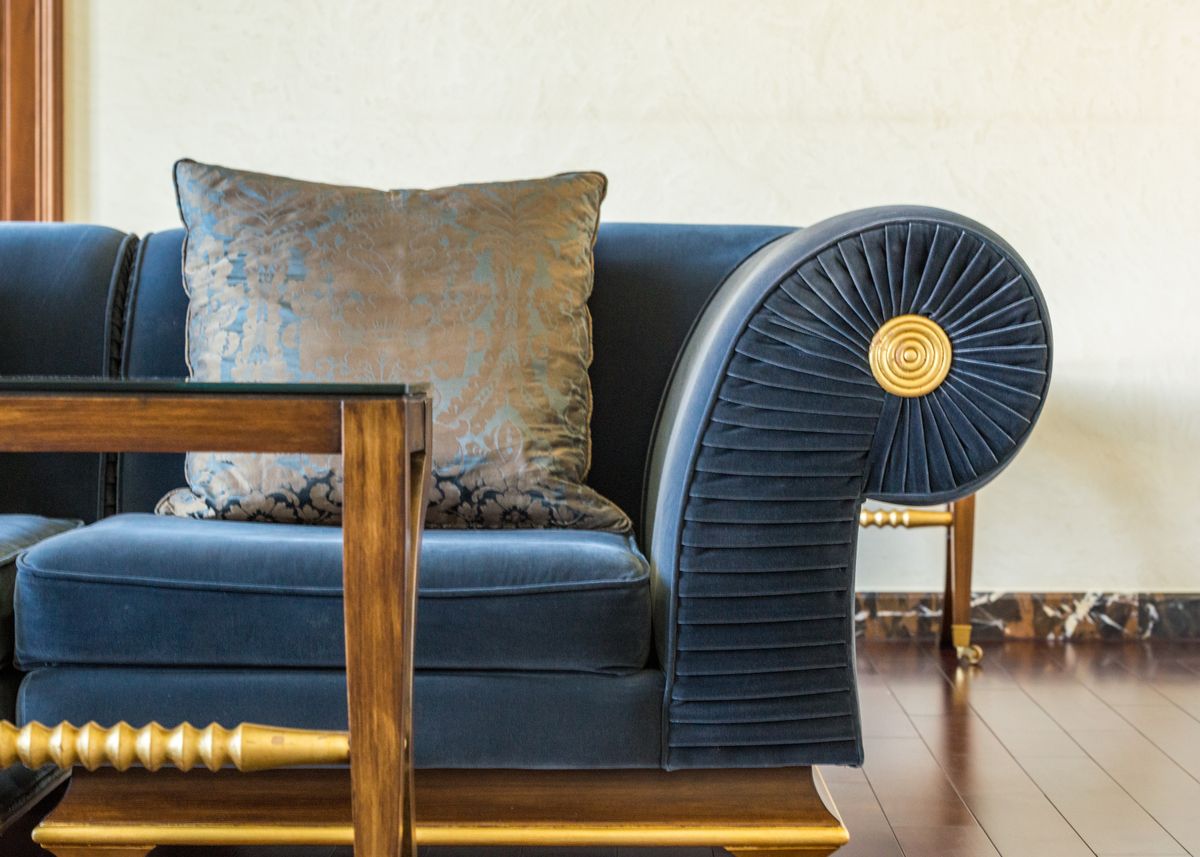
Photo by Max Vakhtbovych on Pexels
Somewhere around week two, the subtle geometry of the seat pad began to make sense in a way that flat cushions never do. The methodology behind these supports is rooted in contouring that mirrors the natural curvature of the pelvis, ensuring that no single point—specifically the ischial tuberosities—bears the brunt of the body's weight. When evaluating a pressure relief seat pad for wheelchair use, the focus must remain on the density of the internal layers. A high-quality pad doesn't just bottom out; it creates a suspension-like effect. This is particularly vital when [applying the Cushlora methodology to wheelchair pressure](/blog/cushlora-methodology-wheelchair-pressure-relief), where the goal is to balance stability with soft-tissue protection. The material used in these pads is engineered to react to body heat, softening slightly at the contact points while remaining firm at the perimeter to prevent sliding. This structural integrity is what separates a true pressure relief seat pad for wheelchair users from a simple comfort pillow. It turns out that the most effective relief comes from this precise tension between support and give, a balance that requires high-specification materials that do not degrade under constant daily use. By following a structured approach to selection, users can ensure their pressure relief seat pad for wheelchair needs are met for the long term.
Expert tip: To maximize the lifespan of your ergonomic support, ensure the breathable cover is kept taut; any bunching of the fabric can create micro-pressure points that counteract the benefits of the underlying pressure-relieving core.
I keep coming back to the idea that mobility should not be synonymous with discomfort, and the recent innovations in seating prove that the right materials can change the daily experience of every user.