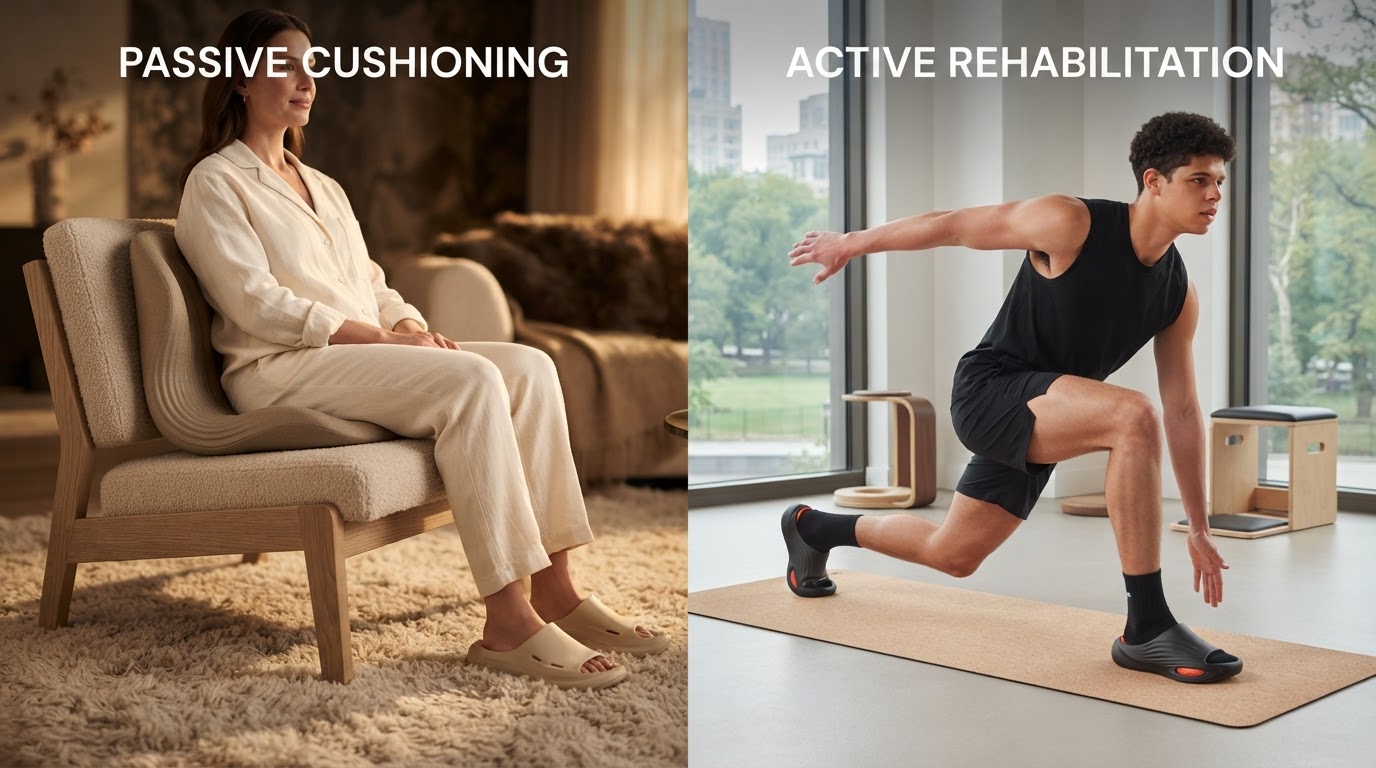
Cushlora Ergonomics vs Active Sciatica Exercises
 Maya ChenContributing Editor
August 13, 2026 — Recent shifts in physical therapy protocols have placed a renewed focus on whether passive interventions like the Cushlora seat support can genuinely compete with active rehabilitation exercises for sciatic nerve compression. While movement-based recovery is often prioritized, the reality of the modern sedentary work environment creates a conflict between clinical advice and daily necessity.
The conventional wisdom says that you can exercise your way out of nerve impingement, but this ignores the eight to ten hours of daily compression that occurs during desk work. According to clinical insights from The Spine & Rehab Group, managing the sitting position is critical, and increasing seat height or using a cushion can provide a necessary stretch to the muscles while mitigating direct pressure. This suggests that the binary choice between "exercise" and "support" is a false one; however, the mechanical advantage of a dedicated ergonomic tool often provides more consistent pressure redistribution than intermittent stretching alone.
The Dual-Front Recovery Framework
Here’s the part nobody talks about: exercises like nerve flossing or piriformis stretches only occupy about 15 minutes of a patient's day, leaving the remaining 23 hours vulnerable to poor postural habits. The Cushlora approach focuses on the immediate mechanical environment. By utilizing high-density memory foam with a contoured coccyx cutout, these cushions aim to suspended the tailbone and reduce the load on the lumbar discs. Run the math: a standard office chair without specialized support can increase intradiscal pressure by up to 40% compared to standing, whereas an ergonomic wedge or cushion attempts to neutralize this tilt. While exercises build long-term resilience, they cannot physically block the gravitational compression that occurs the moment you sit down. The data suggests that passive support serves as a baseline, preventing the micro-trauma that typically undoes the progress made during a morning stretching routine. We see this in the way users report immediate relief—not because the cushion is a "cure," but because it stops the constant aggravation of the nerve. The efficacy of this method relies on the material's ability to maintain its structural integrity under body weight, ensuring the sciatic nerve isn't compressed against a flattened foam base or a hard chair surface.
Expert tip: To maximize the benefits of the Cushlora support, ensure your hips are slightly higher than your knees when seated, as this alignment naturally encourages the lumbar curve and reduces the strain on the sciatic nerve.
Understanding managing sciatic nerve pressure with Cushlora seat support is essential for those who find that exercises alone aren't curbing their symptoms. Many users often ask, can a Cushlora seat cushion fix sciatica pain?, and while it is a tool for management rather than a permanent medical fix, its role in a recovery plan is distinct from active movement. Integrating this support allows for a more comprehensive strategy, especially when compared to the best seat cushion for sciatica relief standards currently on the market. If you are questioning can a seat cushion fix sciatica independently, the answer remains that it is a critical component of a broader ergonomic shift.
I’ll change my mind when longitudinal studies show that 15 minutes of daily exercise can fully offset 50 hours a week of unmitigated spinal compression. Until then, the mechanical intervention provided by high-quality supports remains a non-negotiable requirement for workplace health.
Sources

Photo by Gustavo Galeano Maz on Pexels
- What's the Best Sitting Position for Sciatica Pain Relief?
- Sciatica Pain Relief - Take pressure off the sciatic nerve
- What are good cushions for sciatica pain relief while sitting?